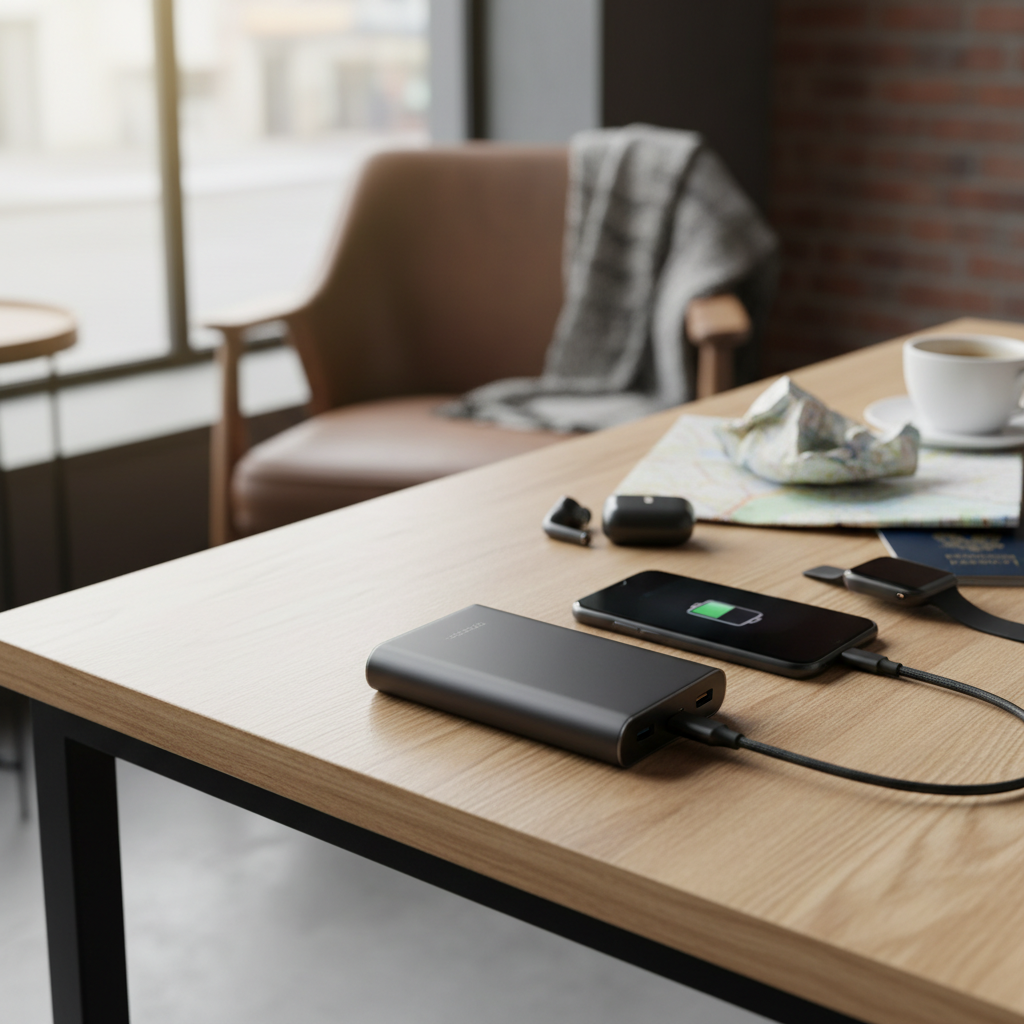
In our increasingly connected world, where smartphones, tablets, and laptops are extensions of ourselves, the anxiety of a dying battery is a universal experience. We rely on these devices for everything from navigation and communication to entertainment and work, making a portable power solution more essential than ever. A power bank, or portable charger, serves as a crucial lifeline, storing electrical energy to recharge your gadgets when you’re far from an outlet. But with countless options on the market, the question remains: is a power bank truly worth the investment? This comprehensive guide will explore the undeniable benefits, potential drawbacks, and key considerations to help you choose the perfect power bank to keep you powered up, no matter where life takes you.
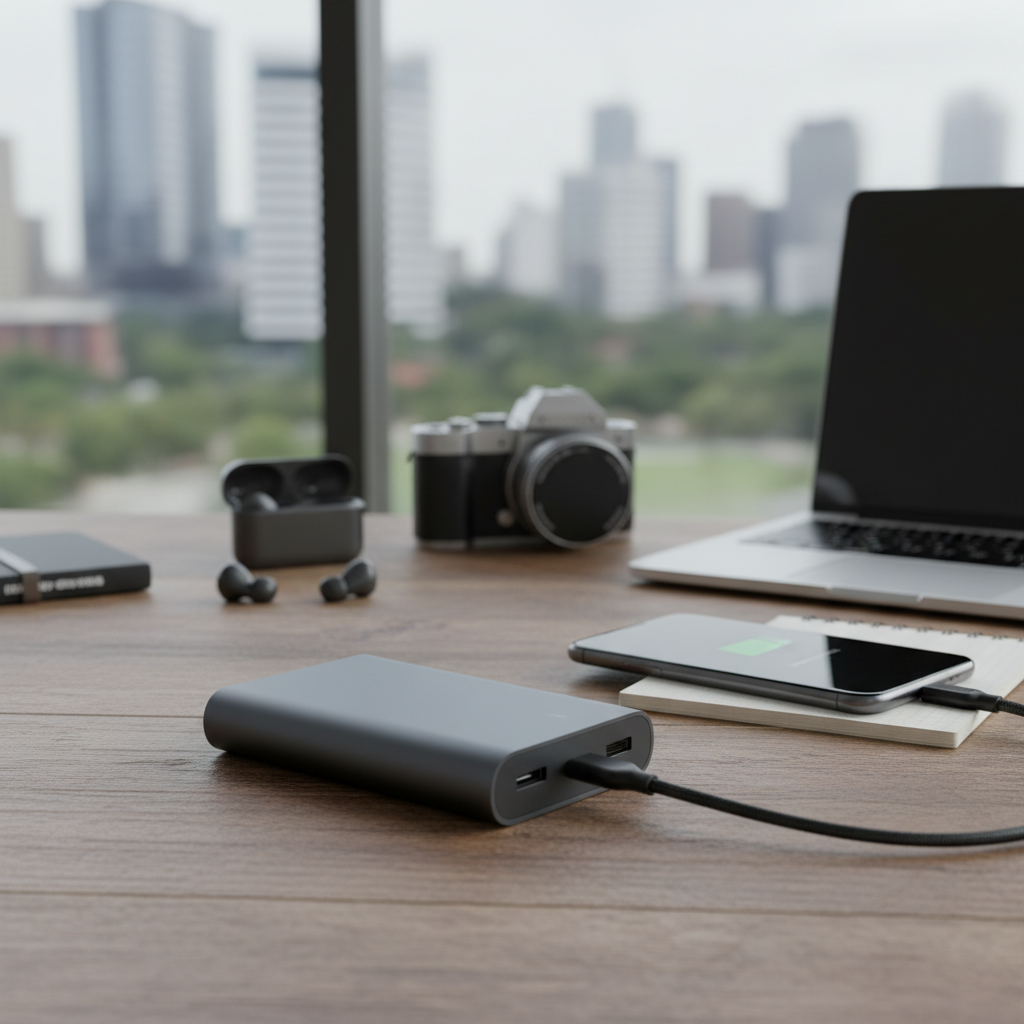
Power Banks: Your Essential Mobile Energy Solution
A power bank is essentially an external battery pack designed to store electrical energy and deliver it to your electronic devices on the go. These compact, self-contained units typically house one or more rechargeable battery cells, usually lithium-ion or lithium-polymer, which can be charged via a wall outlet or other power sources. Once charged, the power bank acts as a portable energy reservoir, ready to replenish the battery of your smartphone, tablet, smartwatch, or even laptop, without needing a traditional wall socket.
The evolution of power banks has mirrored our growing dependence on portable electronics. What began as a niche accessory has rapidly become a ubiquitous necessity, transforming from a “nice-to-have” gadget into an indispensable tool for modern life. This shift reflects the increasing demands placed on device batteries by powerful processors, vibrant displays, and constant connectivity. Today, power banks offer the freedom to work, play, and connect wherever you are, providing peace of mind by ensuring your devices remain operational throughout your day.
The Indispensable Benefits of Power Banks
Owning a power bank offers a multitude of advantages that enhance daily convenience and preparedness. One of the most significant benefits is the sheer convenience and portability they provide. Imagine being able to charge your phone on a long commute, during a hike, or while traveling without frantically searching for an available outlet. Power banks empower you to stay connected in remote locations, during lengthy flights, or simply when you’re away from home for extended periods.
Beyond simple convenience, power banks boast remarkable versatility. Modern models are compatible with a wide array of devices, from the smallest Bluetooth earbuds to power-hungry laptops. Many feature multiple output ports, including traditional USB-A and reversible USB-C, allowing you to charge several gadgets simultaneously. Advanced power banks also integrate fast-charging technologies like USB Power Delivery (PD) and Qualcomm Quick Charge (QC), significantly reducing charging times for compatible devices, and some even offer convenient wireless charging capabilities.
[image-1|person-charging-phone-travel|Person charging phone with power bank on a train, showing convenience of portable power|
A person in their late 20s, wearing casual travel clothes, sits comfortably on a train. They are holding a smartphone in one hand and a sleek, compact power bank in the other, connected by a short cable. The phone screen shows a charging icon. The train window reveals a blurred landscape outside, suggesting movement. Soft, natural light illuminates the scene, creating a sense of ease and modern travel. Realistic photo style.]
Power banks are also an invaluable emergency backup. In situations such as unexpected power outages, natural disasters, or car breakdowns, a charged power bank can be the difference between staying informed and communicating with loved ones, or being completely cut off. They provide a critical safety net, ensuring essential devices remain operational when traditional power sources are unavailable. This capability provides genuine peace of mind, knowing you have a reliable energy source for critical moments.
Finally, power banks grant you freedom and enhanced productivity. Professionals, students, and avid travelers can maintain their workflow and entertainment without being tethered to a wall socket. Whether you’re wrapping up a presentation in a coffee shop, joining a virtual meeting on the go, or streaming content during a long journey, a power bank ensures uninterrupted use of your devices. This freedom allows for a more flexible and efficient lifestyle, eliminating the need to plan your day around charging opportunities.
Potential Drawbacks and Considerations
While power banks offer numerous advantages, it’s equally important to acknowledge their potential drawbacks. One primary consideration is weight and size. High-capacity power banks, designed to charge multiple devices or laptops multiple times, can be quite bulky and heavy. This might negate their “portability” aspect for minimalistic travelers or those who prefer to carry light.
Like all rechargeable batteries, power banks have a limited lifespan, typically measured in charge cycles. Over time, their internal battery cells degrade, gradually losing their ability to hold a full charge and reducing their overall effectiveness. Cheaper models, often made with inferior battery cells, may degrade faster than premium alternatives. Additionally, charging a high-capacity power bank itself can take several hours, which might be inconvenient if you need a quick turnaround time before heading out.
A critical concern is the potential for safety risks, particularly with low-quality or poorly manufactured power banks. These devices can overheat, malfunction, or, in severe cases, even pose fire hazards. While reputable brands incorporate robust safety features, opting for a cheap, uncertified power bank is a gamble. Moreover, continuously charging your devices with a poor-quality power bank that delivers inconsistent voltage or lacks proper safety protocols can, over time, potentially contribute to the degradation of your device’s internal battery.
Finally, it’s worth noting that a power bank is another device to carry and remember to charge. This might be a minor inconvenience for some, adding to the growing collection of gadgets and cables. There can also be compatibility issues if a power bank lacks the correct ports or charging protocols (like PD or QC) for your specific devices, or if its output wattage is insufficient for larger electronics like laptops.
“A power bank is more than just a battery; it’s a bridge to uninterrupted productivity and peace of mind in our hyper-connected world. Choosing wisely ensures it’s a reliable bridge, not a shaky one.” – Jane Doe, Tech Gadget Reviewer
How to Choose the Right Power Bank for Your Needs
Selecting the ideal power bank involves assessing your personal needs and understanding key technical specifications. The first step is to determine your usage needs. Consider which devices you’ll primarily be charging (smartphone, tablet, laptop, smartwatch) and how many full charges you anticipate needing. This will guide your choice of capacity, measured in milliampere-hours (mAh). For instance, a 5,000-10,000 mAh power bank is often sufficient for daily smartphone top-ups, while frequent travelers or laptop users might require 20,000 mAh or more. Remember that due to energy conversion losses, a 10,000 mAh power bank will typically provide about 1.5 to 2 full charges for a modern smartphone with a 3,000-4,000 mAh battery.
Next, focus on charging technology. Look for power banks that support fast charging protocols like USB Power Delivery (PD) for iPhones, iPads, and many Android devices, or Qualcomm Quick Charge (QC) for compatible Android phones. The output wattage (W) is crucial: a phone might charge well with 18W, but a tablet needs 30W, and a laptop often requires 45W, 65W, or even 100W for effective charging. Don’t overlook the input speed – how quickly the power bank itself recharges. USB-C input ports with high wattage support (e.g., 18W+) can significantly reduce the time it takes to fully charge your power bank.
Safety features should be a non-negotiable priority. A quality power bank must include protections against overcharging, short-circuiting, and overheating (thermal runaway). Look for clear safety certifications like CE and RoHS. Always steer clear of extremely cheap, unbranded power banks that often cut corners on these vital safeguards, as they pose a real risk.
Consider the balance between portability and capacity. While a higher mAh rating means more power, it typically also means a larger and heavier device. Choose a size and weight that comfortably fits your lifestyle and carrying preferences. Lastly, prioritizing brand reputation and warranty is always advisable. Reputable brands are known for their quality control, reliable performance, and offer customer support and warranties, providing an extra layer of trust and security in your purchase.
Leading Power Bank Brands
The power bank market is robust, with several brands consistently delivering reliable and innovative products. Here are some of the top contenders:
- Anker: Widely regarded for its exceptional durability, advanced charging technologies (like PowerIQ and VoltageBoost), and extensive product range. Anker power banks often command a higher price point but are known for their longevity and performance.
- Xiaomi: Offers a compelling balance of affordability and stylish design. Xiaomi power banks are popular for their value proposition, though their durability might not always match premium brands like Anker.
- Samsung: While perhaps best known for its smartphones, Samsung also produces power banks that often integrate seamlessly with its ecosystem of devices, offering reliable performance and sleek aesthetics.
- RAVPower: Another strong contender known for its diverse range of power banks, including high-capacity options and those with multiple fast-charging ports. They often offer a good balance of features and price.
- INIU: Gaining popularity for providing good value and high charging efficiency across various capacities, making them a solid mid-range option.
- Baseus: Known for innovative features, including magnetic attachment for iPhones, built-in cables, and foldable designs, offering unique convenience aspects.
- Cuktech: A brand recognized for high-capacity power banks with rapid charging capabilities and informative displays, though some models can be quite heavy.
- Goal Zero: Specializes in rugged, outdoor-focused power solutions, including portable power banks built for adventure and off-grid use.
Comparison of Top Power Bank Brands
|
Our Picks for the Best Power bank in 2026
As an Amazon Associate I earn from qualifying purchases.
|
||
| Num | Product | Action |
|---|---|---|
| 1 | Anker Power Bank, 20,000mAh Travel Essential Portable Charger with Built-in USB-C Cable, 3-Port 87W Max Fast Charging Battery Pack, for MacBook, iPhone 16/15 Series, Samsung, Switch, and More |

|
| 2 | UGREEN QI2 Power Bank, 8.6mm Ultra-Slim 5000mAh Magnetic Battery, 20W PD Fast Charging Portable Charger, MagSafe-Compatible External Battery for iPhone 17/16/15/14 Series, Blue |
|
| 3 | Portable Charger Power Bank, 60000mAh Battery Pack with 3 in 1 USB-C/iOS/Micro-USB Cable, 22.5W Fast Charging Portable Phone Charger, Travel Camping Essential Powerbank for iPhone 17/16 Samsung,Ebony |
|
| 4 | Anker Zolo Power Bank (2025 Upgraded Version), 20,000mAh 30W High-Speed Portable Charger with Built-in USB-C Cable, Battery Pack for iPhone 17/16 / 15 Series, Galaxy, and More |
|
| 5 | charmast Portable Charger with Built in Cables, Power Bank with Cords Wires, Slim 10000mAh Travel Battery Pack 6 Outputs 3 Inputs 5A Fast Charging for Samsung Google Pixel LG Moto iPhone iPad |
|
| 6 | Anker Prime Power Bank, 26,250mAh 3-Port Portable Charger with 300W Max Output, Two-Way Charging, TSA-Approved, App Control, for MacBook, iPhone 17/16 Series, and More (Base Not Included) |
|
| 7 | INIU Portable Charger, Ultra Slim 45W Fast Charging with Attached USB C Cable, Flight-Safe 10000mAh PD Power Bank Battery Pack, Travel Essential Phone Powerbank for iPhone 17 16 Samsung S25 Google etc |
|
| 8 | Anker Power Bank(PowerCore 10K), Compact Travel-Ready 10,000mAh Battery Pack with PowerIQ Charging Technology, 5V/3A High-Speed Charging for iPhone, iPad,and More (1, Black) |
|
| 9 | Anker MagGo Power Bank, Ultra-Slim 10,000mAh Magnetic Battery Pack, Qi2 Certified 15W Ultra-Fast MagSafe Compatible Portable Charger, Ergonomic Design, for iPhone17/16/15/14 Series Only(Not for Pixel) |
|
| 10 | Anker 737 Power Bank, 140W Max 3-Port Laptop Portable Charger, 24,000mAh, Smart Display, Compatible with iPhone 16 / 15 / 14 Series, Vision Pro, Samsung, MacBook, and More |
|
| Brand | Advantages | Disadvantages | Price Range |
|---|---|---|---|
| Anker | High durability, advanced charging tech | Generally higher price | Premium |
| Xiaomi | Affordable, sleek design | Durability may vary | Mid-range |
| Samsung | Seamless integration with Samsung devices, reliable | Less emphasis on universal features for non-Samsung users | Mid-range |
| INIU | Good value, high charging efficiency | (No notable specific cons identified) | Mid-range |
| Baseus | Innovative features (magnetic, built-in cables) | Wireless charging can sometimes be slower | Mid-range |
Best Practices for Using and Maintaining Your Power Bank
To ensure your power bank performs optimally and lasts as long as possible, proper usage and maintenance are key. When charging your power bank, disconnect it promptly once it reaches full capacity. While most modern power banks have built-in overcharge protection, prolonged charging can still stress the battery cells over time. Similarly, when charging your devices, remove them from the power bank as soon as they are fully charged to prevent trickle-drain or unnecessary wear on both batteries.
For storage, always keep your power bank in a cool, dry place, away from direct sunlight or extreme temperatures. Avoid leaving it fully depleted for extended periods, as this can lead to deep discharge and irreversible damage to the battery’s capacity. To maximize its lifespan, it’s a good practice to discharge and recharge your power bank periodically, even if you haven’t used it much. This helps to keep the battery cells active and prevents them from going dormant.
Be mindful of overheating. If your power bank feels unusually hot during charging or discharging, discontinue use. Overheating can be caused by charging in extreme ambient temperatures, using a faulty unit, or excessive usage. Always use the original or a certified charging cable and adapter. Prioritizing a reputable brand from the outset significantly reduces the risk of encountering these issues, ensuring you have a safe and reliable power source.
Common Power Bank Issues and Troubleshooting
Even with high-quality power banks, you might occasionally encounter issues. Knowing how to troubleshoot can save you time and frustration.
Power Bank Not Charging or Charging Slowly
If your power bank isn’t charging your device or is doing so at a snail’s pace, first check your cables and ports. A damaged cable or a loose connection can be the culprit. Try a different cable, and test other ports on the power bank if available. Ensure the power bank itself has sufficient charge. If the power bank is old, its internal battery might have degraded over time, leading to reduced capacity and slower output. In such cases, replacing the power bank might be necessary. Low-quality or unbranded power banks are more prone to inconsistent output and slower charging speeds.
Power Bank Overheating During Use
It’s normal for power banks to get slightly warm during charging or discharging, but excessive heat is a red flag. Overheating can be caused by poor design, low-quality components, or charging in high ambient temperatures. If your power bank becomes very hot to the touch, or if you notice any bulging or strange odors, immediately discontinue use. This can indicate a serious safety hazard. Ensure adequate ventilation when charging, and avoid leaving the power bank in direct sunlight or confined spaces while in operation. If the problem persists with a new, reputable power bank, contact the manufacturer’s support.
[image-2|power-bank-overheating-safety|Close-up of a power bank with subtle red glow, symbolizing overheating and danger, with a warning icon overlay|
A close-up shot of a power bank lying on a dark surface. The edges of the power bank subtly glow with a soft, ominous red light, indicating overheating. A translucent, stylized warning triangle icon with an exclamation mark is subtly overlaid on the power bank, reinforcing the concept of a safety hazard. The background is blurred to keep focus on the power bank. Editorial, slightly dramatic style.]
Advanced Tips for Power Bank Users
To get the most out of your power bank, consider these advanced tips for optimization and preparedness. To optimize usage time, always match the power bank’s capacity to your actual needs. Carrying an unnecessarily large power bank for a quick phone top-up might be overkill, while a small one won’t suffice for multiple device charges. Understand the real-world output capacity (rated capacity) versus the battery cell capacity, as efficiency losses typically mean you get 60-90% of the stated mAh.
In emergency situations, a fully charged power bank is your best friend. Keep it charged and ready in your emergency kit, car, or travel bag. It can be invaluable for navigating, calling for help, or powering a flashlight function on your phone during a power outage. Some power banks even feature built-in flashlights or solar charging capabilities, offering extra utility in unforeseen circumstances. By making informed choices and adopting smart usage habits, your power bank can become an indispensable tool that keeps you connected and prepared for whatever challenges come your way.
Buying Guide: Making an Informed Choice
Choosing the right power bank doesn’t have to be complicated. By following a few key steps, you can ensure you get a device that perfectly fits your needs and offers long-lasting value.
- Identify Your Needs: Start by listing the devices you plan to charge (smartphone, tablet, laptop, wearables). Determine how many full charges you typically need per day or trip. This will help you decide on the appropriate capacity (mAh) and if you require special features like fast charging (PD/QC) or wireless charging.
- Research Brands and Products: Don’t just pick the cheapest option. Read reviews, compare specific models from reputable brands like Anker, Xiaomi, INIU, or Samsung. Understand the different charging technologies (Power Delivery, Quick Charge) and how they benefit your devices. Compare pricing across different retailers and inquire about warranty policies.
- Check Key Specifications: Pay close attention to the actual mAh capacity, input and output voltages, currents (Amps), and wattages. For example, if you want to charge a laptop, ensure the power bank supports the necessary wattage (e.g., 45W, 65W, or 100W via USB-C PD). Also, check the number and type of charging ports (USB-A, USB-C) to ensure compatibility with all your devices.
- Prioritize Safety Features: This is paramount. Look for power banks with built-in protection against overcharging, over-discharging, short-circuits, and overheating. Reputable products will often display safety certifications like CE, FCC, and RoHS. Avoid generic, unbranded power banks that may compromise on these critical safety measures.
- Purchase from Reputable Retailers: Buy your power bank from authorized dealers or well-known electronics stores. This ensures you receive a genuine product, have access to customer support, and can utilize any warranty or return policies if needed. Avoiding counterfeit products is crucial for both performance and safety.
Conclusion
In an age where digital connectivity is paramount, the question “Is a power bank worth it?” can be unequivocally answered with a resounding yes. These portable chargers have transcended their initial role as mere conveniences to become essential tools, offering unparalleled freedom, versatility, and peace of mind. While considerations like size, weight, and lifespan exist, the benefits of staying powered on the go—whether for critical communications, uninterrupted productivity, or simply enjoying your digital life—far outweigh the minor drawbacks. By making an informed choice and selecting a quality product that aligns with your specific needs, a power bank empowers you to take control of your device’s battery life, ensuring you’re always connected. How has a power bank saved your day when you needed it most?
Frequently Asked Questions
How long does a power bank last?
The lifespan of a power bank is typically measured in charge cycles, usually ranging from 300 to 1,000 cycles depending on the quality of its battery cells. After this many cycles, the power bank’s capacity will gradually diminish. Proper usage and storage can help extend its overall operational life.
Can a power bank damage my phone’s battery?
A high-quality power bank with appropriate safety features (like overcharge and voltage protection) is highly unlikely to damage your phone’s battery. However, using a low-quality, unregulated, or improperly matched power bank that delivers inconsistent voltage or current can potentially cause accelerated battery degradation over time.
What mAh capacity do I need for my power bank?
The ideal mAh capacity depends on the devices you want to charge and how many times you need to charge them. For a smartphone, 5,000-10,000 mAh is generally sufficient for 1-2 charges. For tablets or multiple devices, 10,000-20,000 mAh is better. Laptops or extended travel may require 20,000 mAh or higher.
What is Power Delivery (PD) and Quick Charge (QC)?
Power Delivery (PD) and Quick Charge (QC) are fast-charging protocols that allow compatible devices to charge at significantly higher speeds than standard USB charging. PD is widely adopted by Apple and many Android devices, while QC is primarily used by Android devices with Qualcomm processors. Both require compatible cables and chargers for optimal performance.
Are larger capacity power banks always better?
Not necessarily. While larger capacity power banks (higher mAh) provide more charges, they are also typically heavier, bulkier, and take longer to recharge themselves. The “best” power bank balances sufficient capacity for your needs with a size and weight that is practical for you to carry consistently.